
Introduction
As CBD continues to gain popularity for its calming, anti-inflammatory, and wellness-supporting properties, many travelers are turning to it as a natural remedy for anxiety, jet lag, sleep troubles, and even minor aches and pains. However, flying with CBD can be more complicated than tossing it into your carry-on. Before you pack your favorite oil, gummy, or topical, it’s important to understand the legal, logistical, and practical considerations involved. From TSA regulations to international laws, here’s everything you need to know before taking CBD with you on your next flight.
Understanding CBD and Its Legal Status
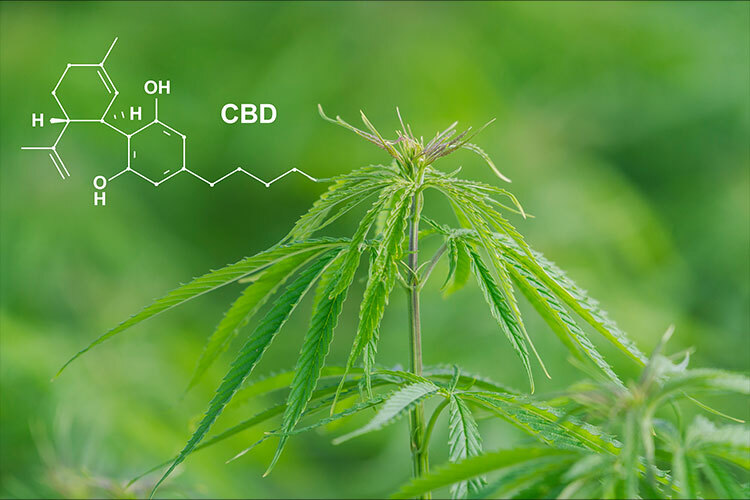
CBD, or cannabidiol, is a non-intoxicating compound derived from the cannabis plant. Most CBD products are made from industrial hemp, which by legal definition contains less than 0.3 percent THC, the psychoactive compound in marijuana. While hemp-derived CBD is legal in Canada, rules can vary at the state and international levels.
Knowing the origin and THC content of your CBD product is crucial. Products containing more than 0.3 percent THC are considered marijuana under federal law and are illegal to transport across state or national borders, even if you’re traveling between two states where marijuana is legal.
TSA Guidelines for Flying with CBD
The Transportation Security Administration (TSA) has updated its policies to allow hemp-derived CBD products that comply with the 2018 Farm Bill. This means you can fly with CBD oil, capsules, gummies, and topicals as long as they contain no more than 0.3 percent THC and are approved by federal law.
However, the TSA’s primary focus is on security and safety, not drug enforcement. If your CBD product appears suspicious or contains prohibited levels of THC, it could be confiscated, and you may be referred to law enforcement. To minimize issues, always carry your CBD in its original packaging with clearly labeled ingredients and THC content.
How to Pack CBD for Air Travel
When packing CBD for your flight, consider both convenience and compliance. If you’re flying domestically within the United States, keep these tips in mind:
- For liquids such as oils or tinctures, follow the TSA’s 3-1-1 liquid rule: containers must be 3.4 ounces (100 milliliters) or less and stored in a clear, quart-sized plastic bag.
- Keep CBD products in their original packaging to avoid confusion during screening.
- Consider packing a copy of the product’s certificate of analysis (COA) to prove its THC content, especially if you are using a full-spectrum product.
- Store CBD in your carry-on rather than checked baggage, especially if you may need it during the flight.
By keeping your CBD product accessible and well-labeled, you reduce the chance of delays or misunderstandings at security checkpoints.
CBD and International Travel: Proceed with Caution
Flying internationally with CBD is much more complex. Even if your CBD product is legal in the United States, it may be considered a controlled substance in another country. Laws vary widely, and some countries have strict drug policies with harsh penalties for possession, even in small amounts.
Before you travel, research the CBD laws of your destination and any countries you’ll be transiting through. Some countries, like Japan and the United Arab Emirates, prohibit all cannabis-derived products, including CBD. Others may allow CBD but have specific import rules or require prescriptions.
Unless you have verified that CBD is fully legal in your destination, it may be safer to leave it at home and purchase it locally if needed.
Why Travelers Use CBD on the Go
There are several reasons why travelers choose to use CBD while flying or on the road. For many, CBD offers a natural way to manage common travel-related issues, such as:
- Flight anxiety or nervousness
- Jet lag and difficulty sleeping in unfamiliar environments
- Muscle stiffness or soreness from long periods of sitting
- Digestive discomfort related to travel stress or diet changes
CBD comes in various forms that are travel-friendly, including gummies, capsules, and creams. Many people prefer CBD edibles or softgels during flights because they are discreet, pre-measured, and easy to carry. Topicals may be helpful for muscle relief after hours on a plane or in transit.
Tips for Using CBD While Traveling
If you decide to bring CBD on your next trip, follow these best practices to stay safe and compliant:
- Choose high-quality, lab-tested CBD from reputable brands with transparent labeling.
- Stick to travel-friendly formats like small tinctures, softgels, or gummies that follow TSA guidelines.
- Avoid vaping CBD while traveling, especially in airports and on planes, as vaping devices are tightly regulated and often prohibited in public areas.
- Start with a low dose if you’re using CBD in a new environment or at a different altitude, as your body may respond differently.
- Monitor how CBD affects you during the trip, especially if you are combining it with other travel-related supplements or medications.
Also Read: How Long Does CBD Stay in Your System?
Final Thoughts
Traveling with CBD can be safe and effective as long as you understand the rules and plan ahead. While flying domestically with hemp-derived CBD is allowed in most cases, international travel poses more significant legal risks. Make sure your product complies with local laws, and always carry documentation when possible. Whether you’re hoping to stay calm on a long flight or manage aches and pains after a red-eye, CBD can be a useful addition to your travel routine when used responsibly.
If in doubt, consult a travel health professional or your airline before flying. Staying informed will help you avoid legal complications and make your journey smoother and more enjoyable.